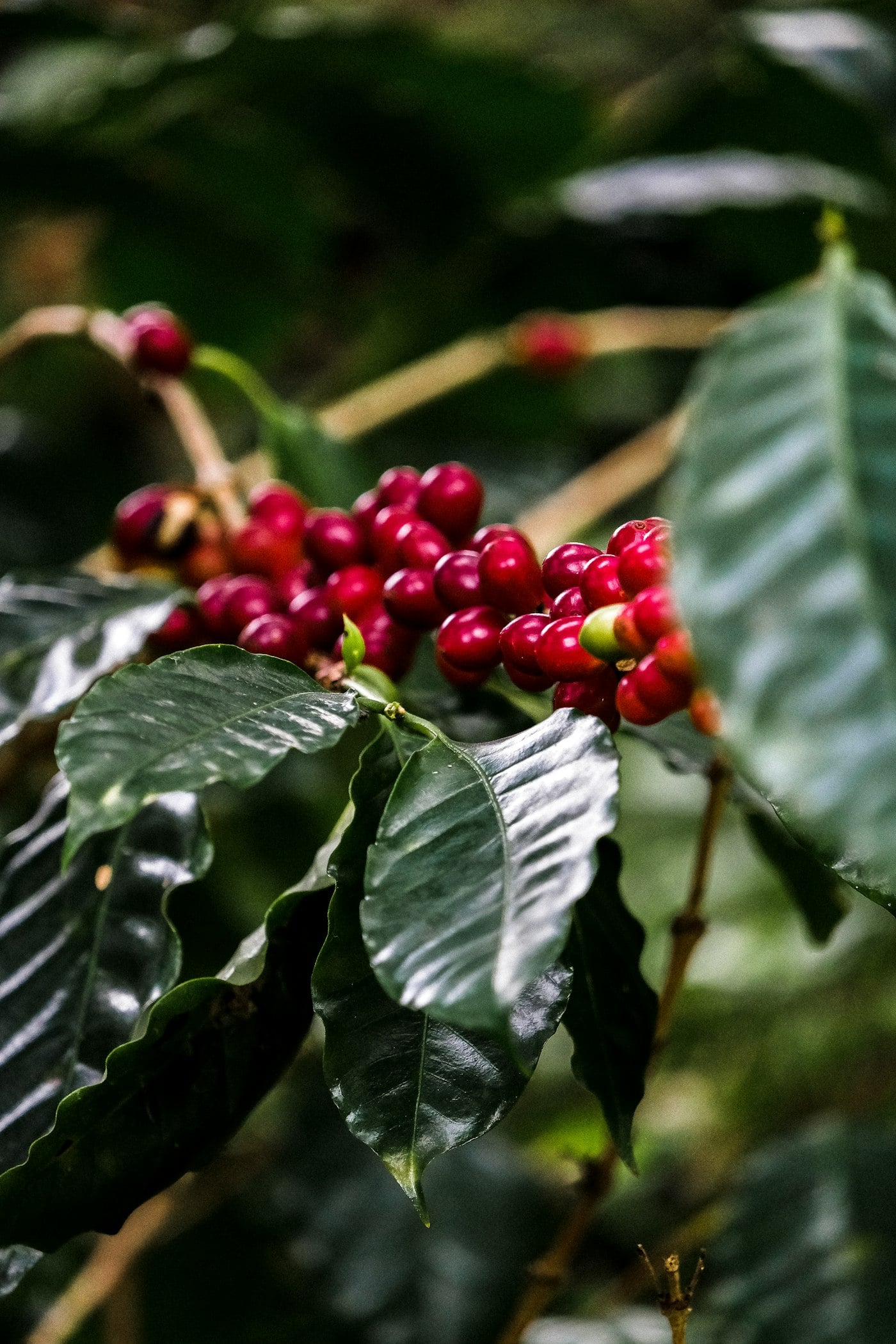
Lot 2026-01
Kenya sourcing should not mean vague farms, broker markups, or late paperwork. We grow, process, and export our own lots direct.
Every sample kit gives you cup quality, clear origin, clean practices, and documents your QC lead can defend, so you can buy with confidence.
Tell us your roastery and the lots you want to cup.
Review processing logs, soil reports, and chain of custody.
Open an allocation only when the coffee earns a place.
What you can verify on the farm today, and the audits we’re working toward.
Coffee is an extractive crop. Most farms strip their soil, douse it with nitrogen, spray for leaf rust, and move on. We took the other road. Every decision on our ten acres is measured against one question: does the land leave this season healthier than it started?
Three generations of no synthetic chemistry. Pests managed through shade canopy, intercropping, and biology. Only USDA-Organic-approved sprays when treatment is needed.
Every cherry pulp and husk goes back as compost. What the coffee took out, we put back, by hand.
Slow growth under Mukau and banana yields denser beans, deeper sugars, and habitat for the birds that handle pests for us.
Mill water cycles through settling ponds and reedbeds. Zero effluent reaches the Nyando river.
Self-reported, with every input logged. Lot-specific soil panels, processing records, and independent agronomy reports available on request for roasters evaluating our lots.
Every lot ships as unroasted green coffee in 60kg GrainPro-lined jute bags. Full traceability documents, certificates, and a 200g sample roast accompany every order. Minimum 10 bags for direct import; smaller allocations available through our NC warehouse.
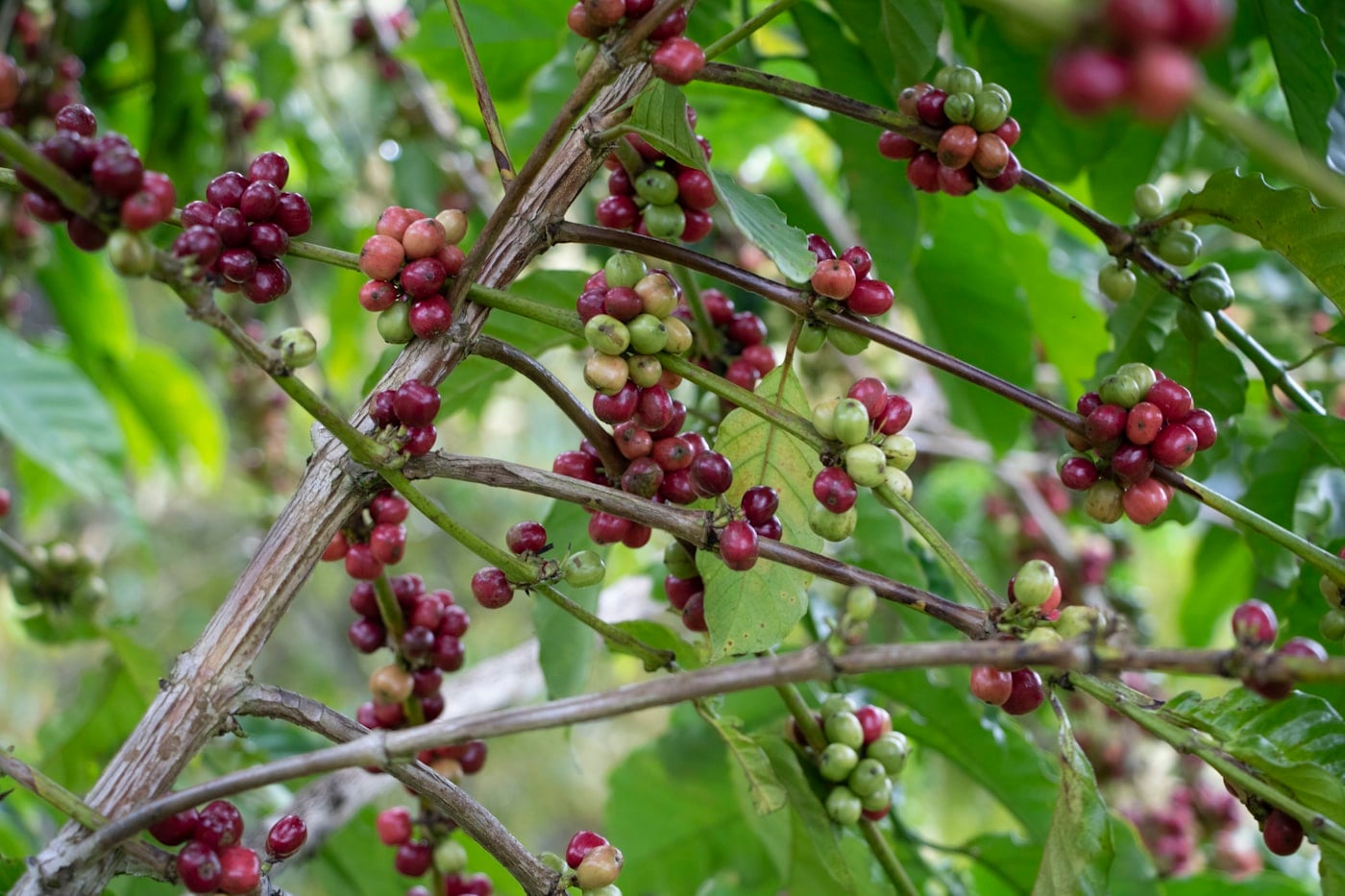
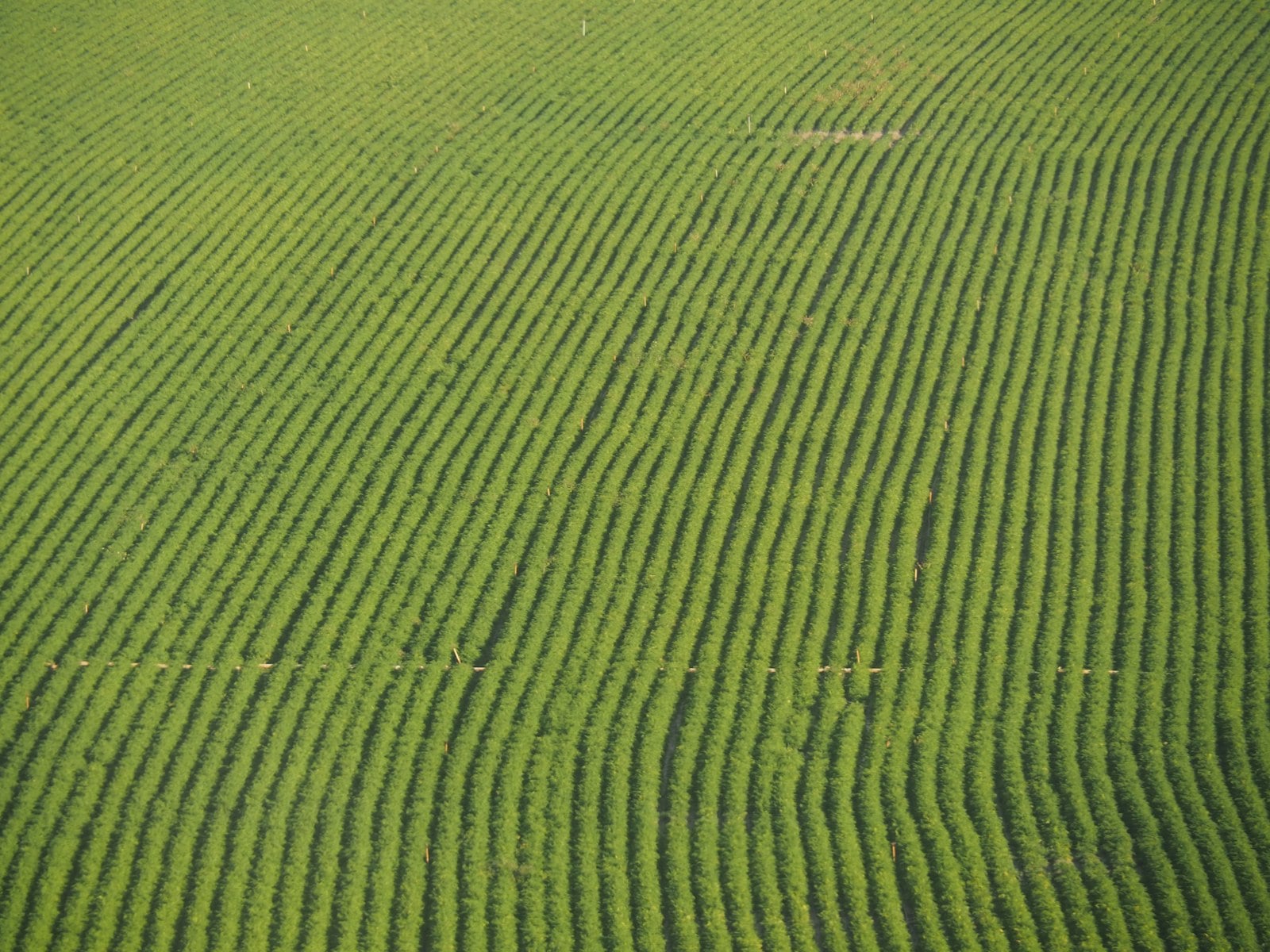
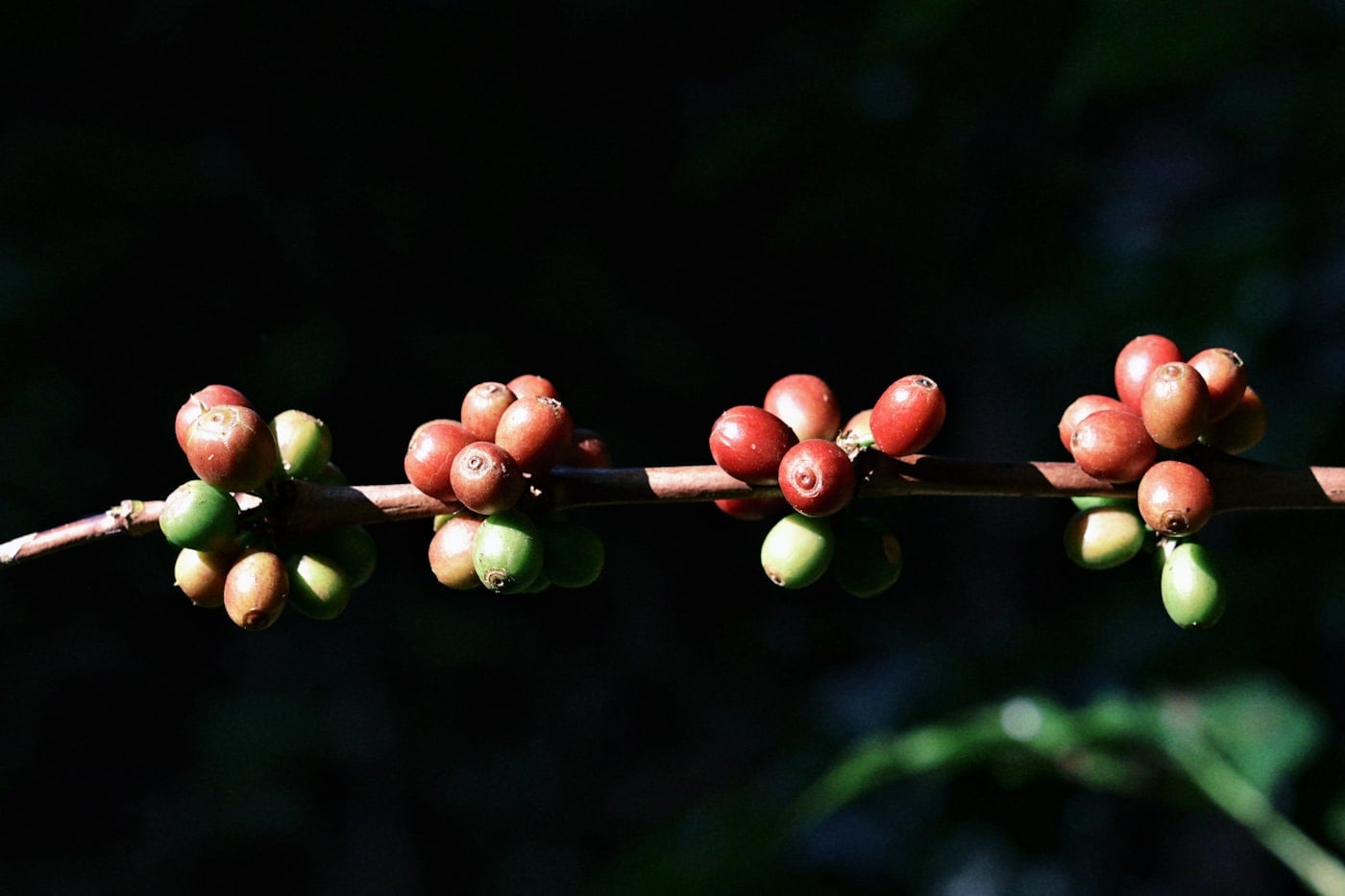
Shade-grown under native canopy. No synthetic inputs. Intercropped with banana and legumes for soil nitrogen.
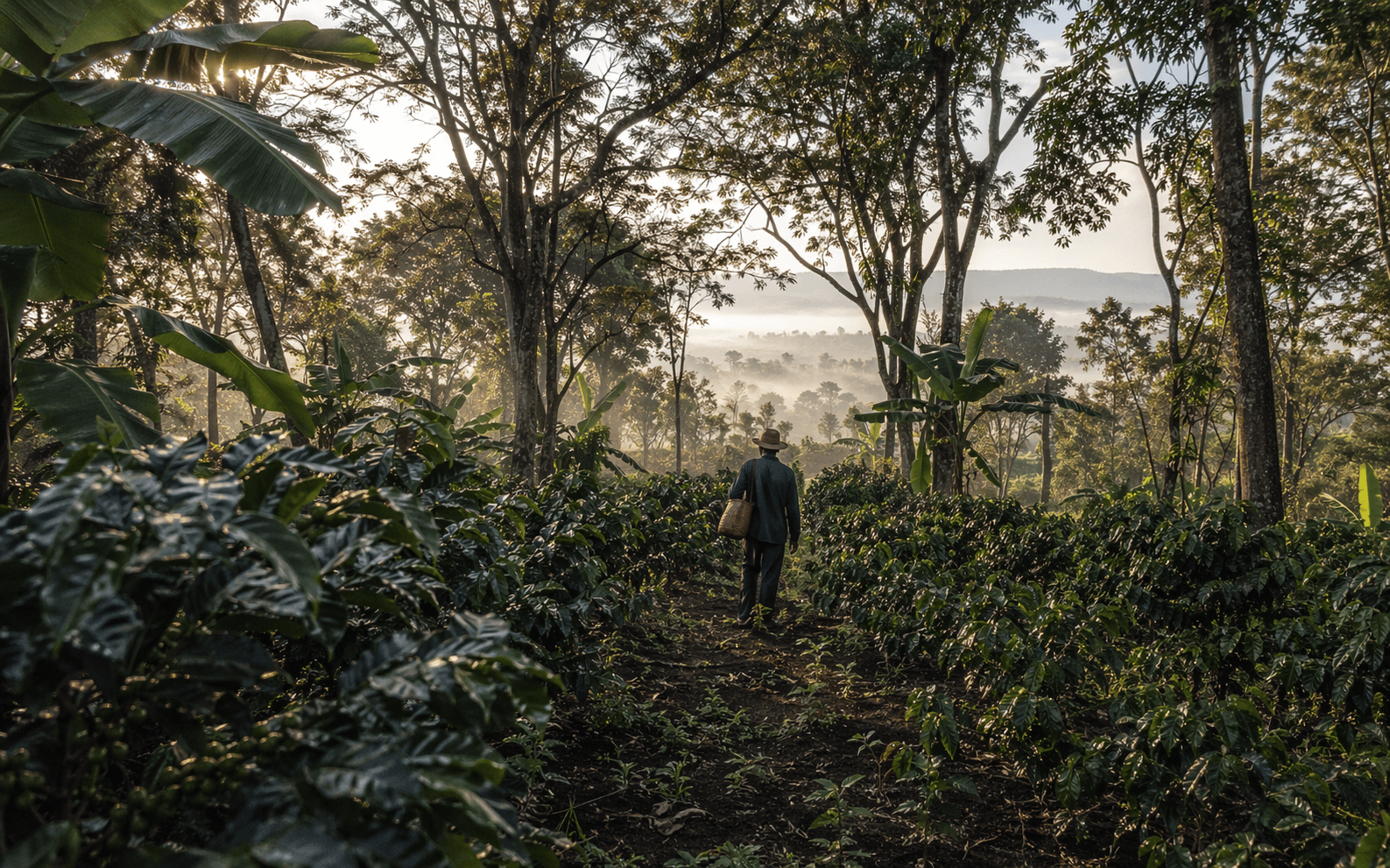
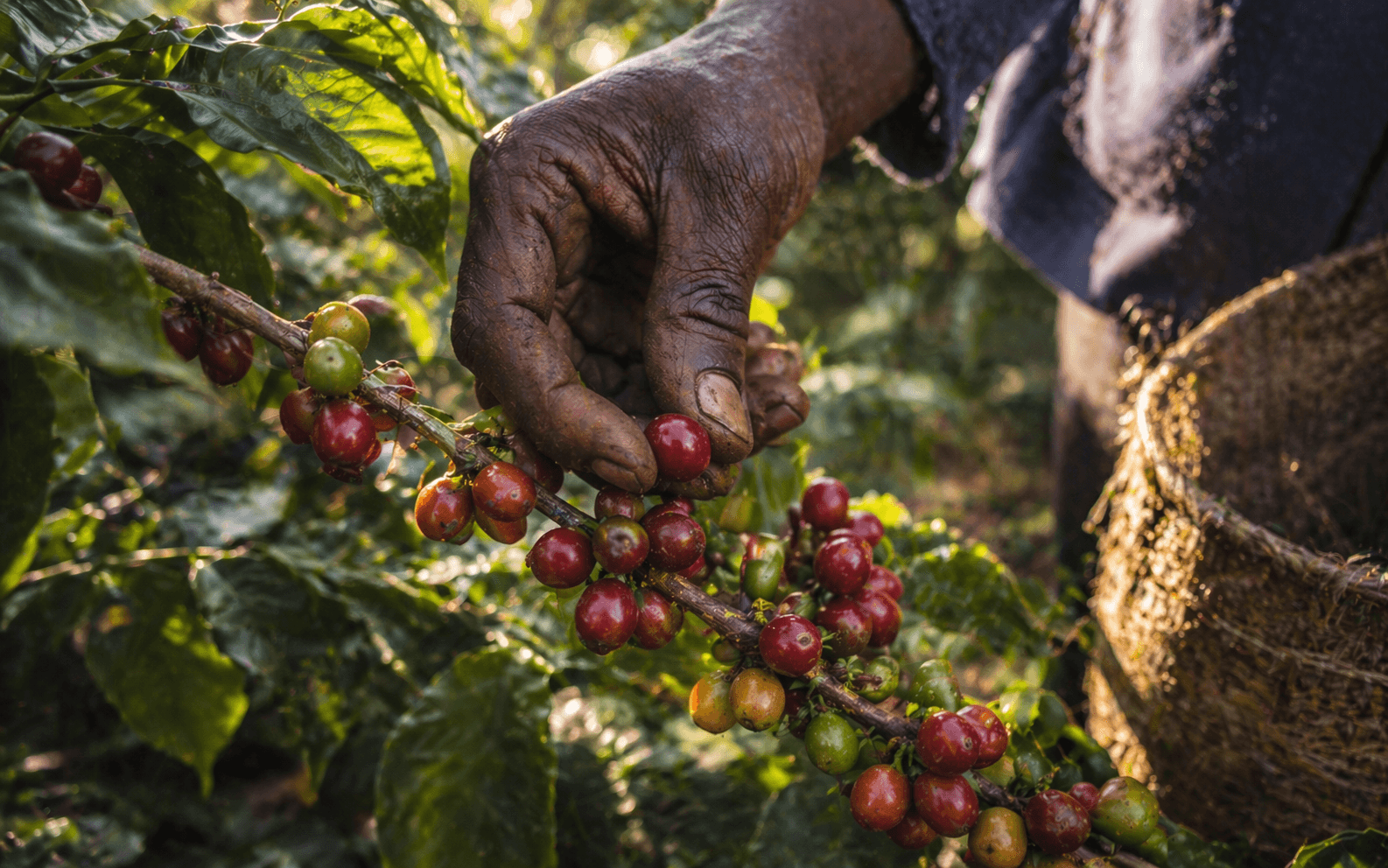
Selective hand-picking, cherry by cherry, at peak ripeness only. No strip-picking.
Cherry skin removed by disc pulper within 6 hours of picking. Pulp returns to the soil as compost.
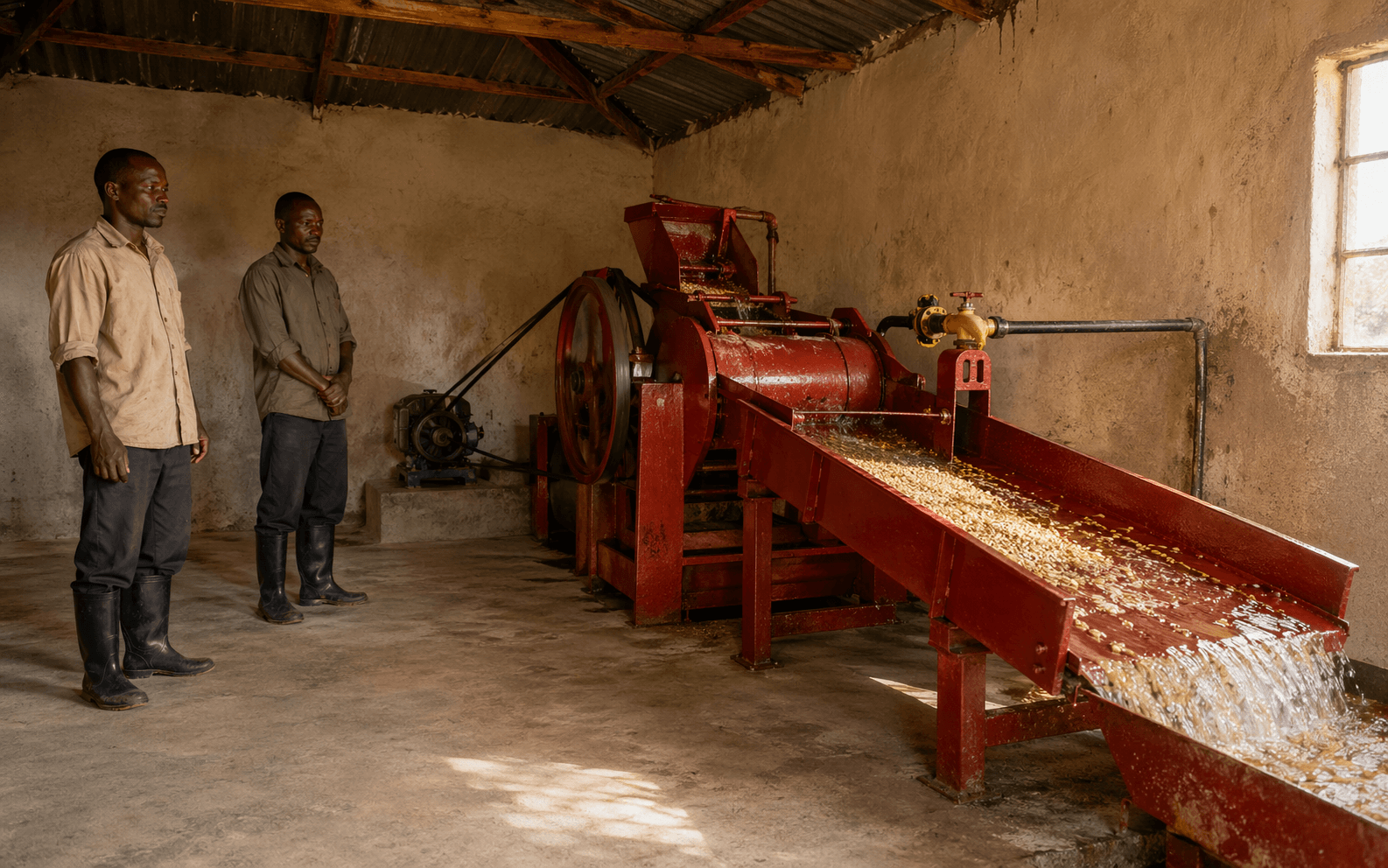
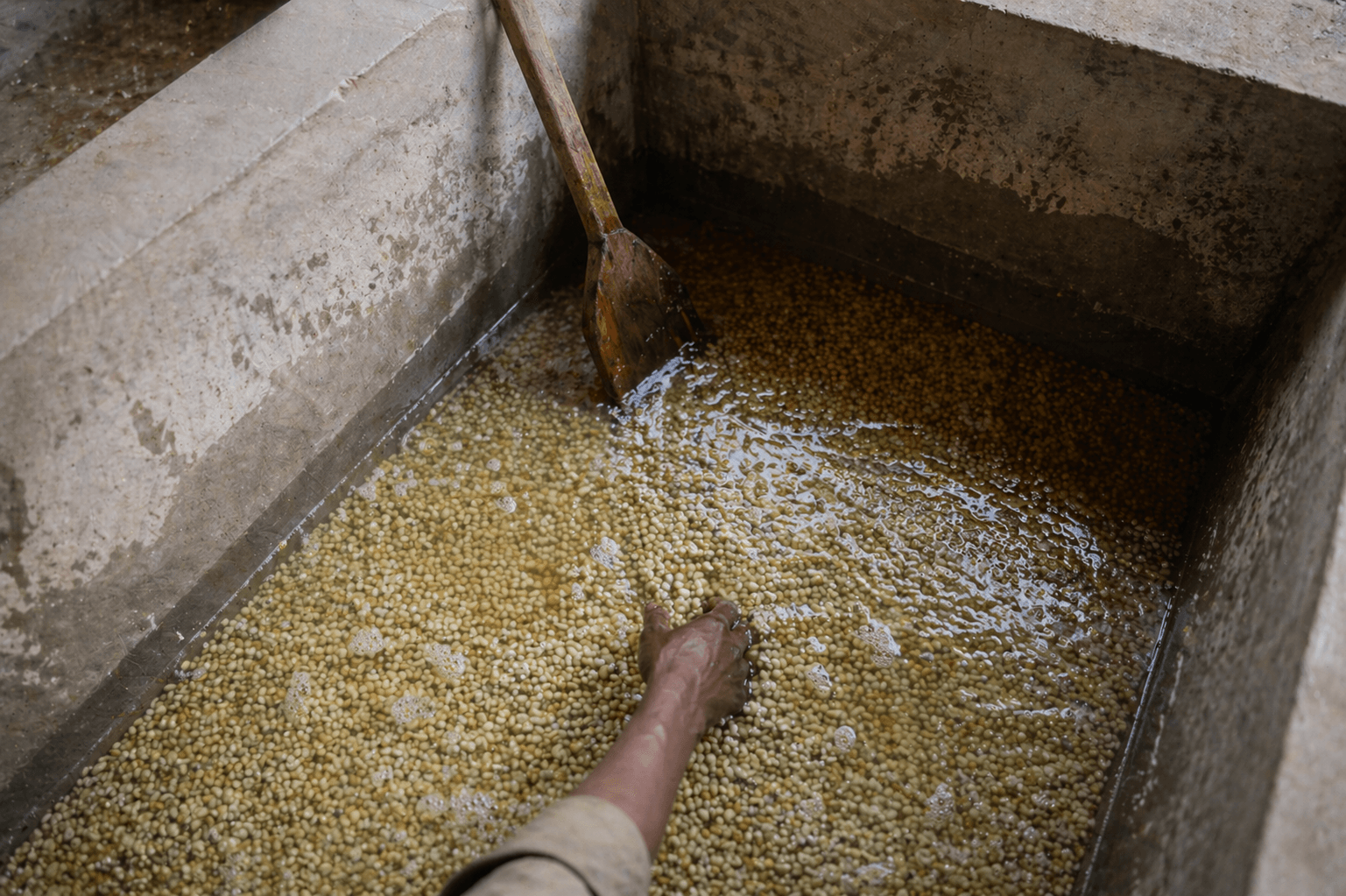
12–24h primary dry fermentation. Traditional Kenyan double-wash method.
Mill water recycled through reedbeds. Zero effluent leaves the property.
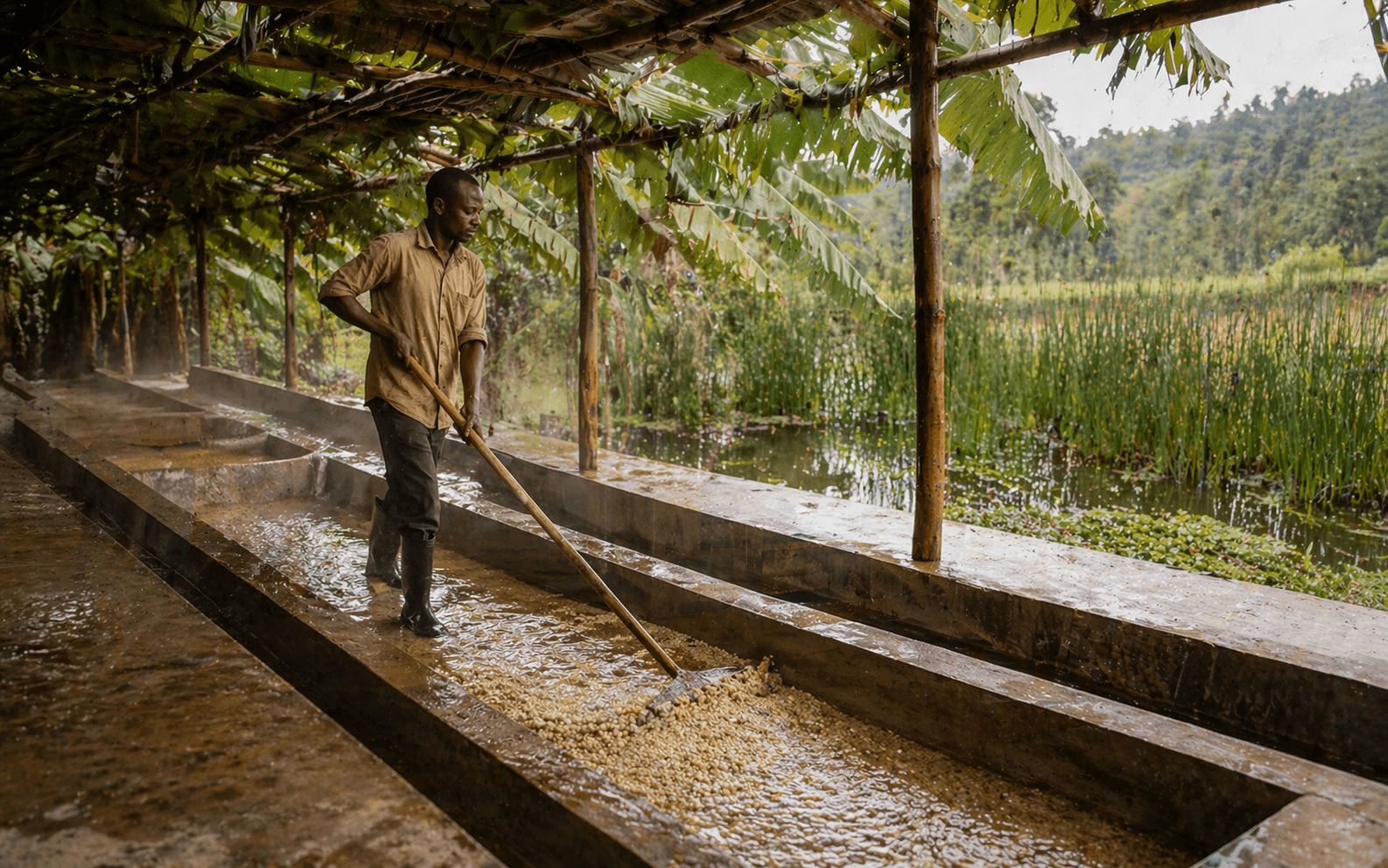
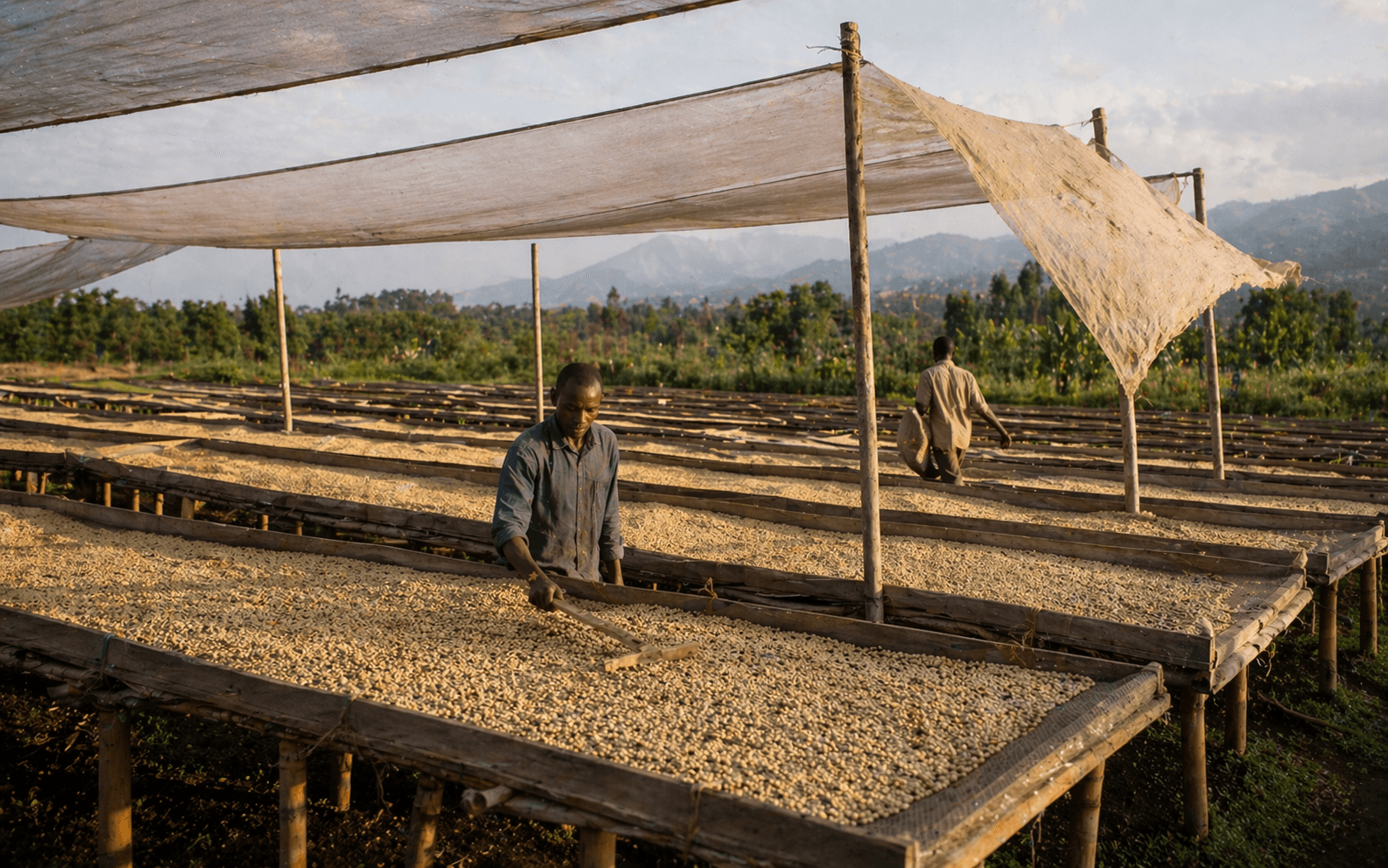
12–21 days on raised African beds under shade cloth. Turned by hand every two hours.
Hulled, sorted, and graded on-farm to AA, AB, or PB. Hand-picked defects.
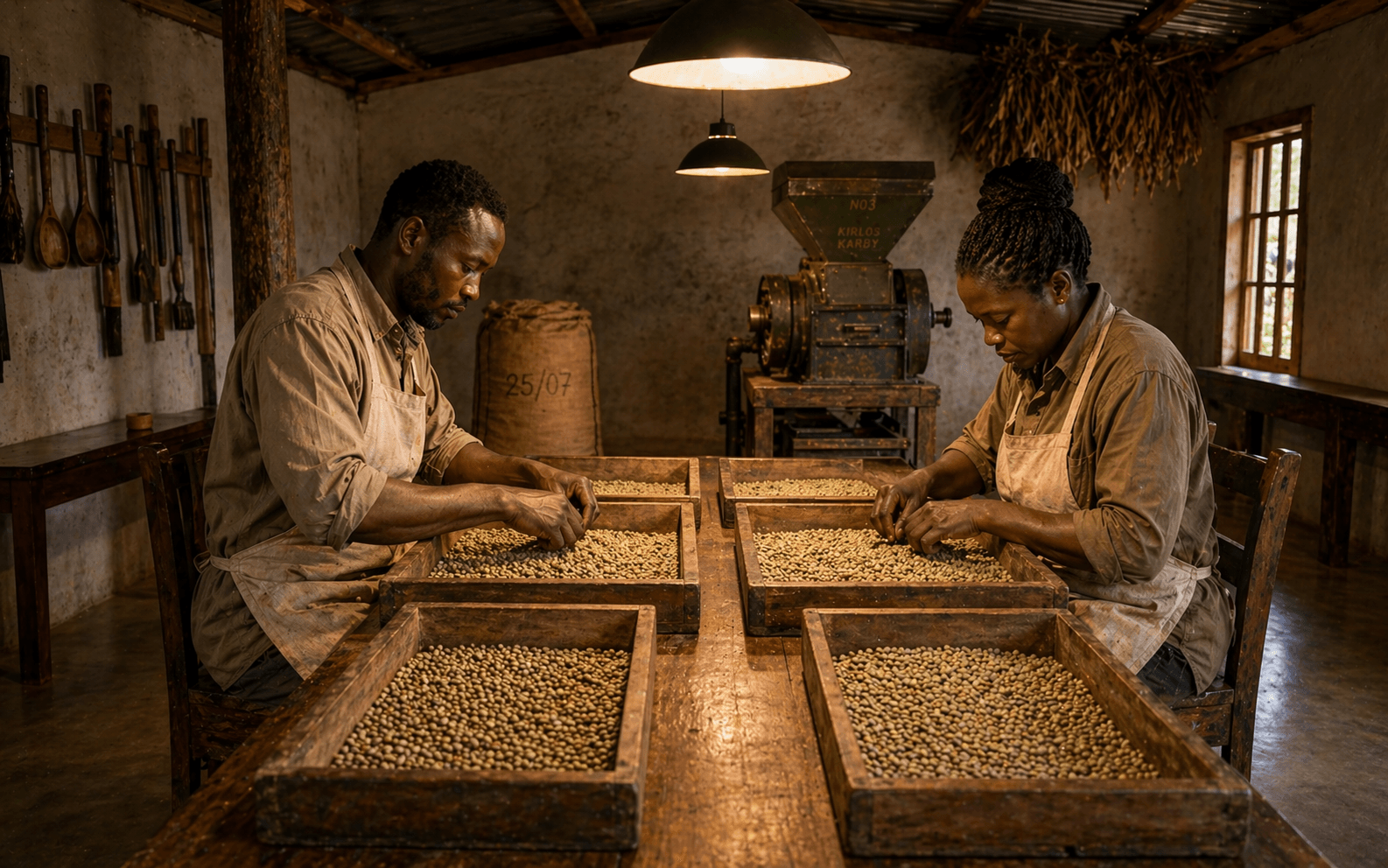
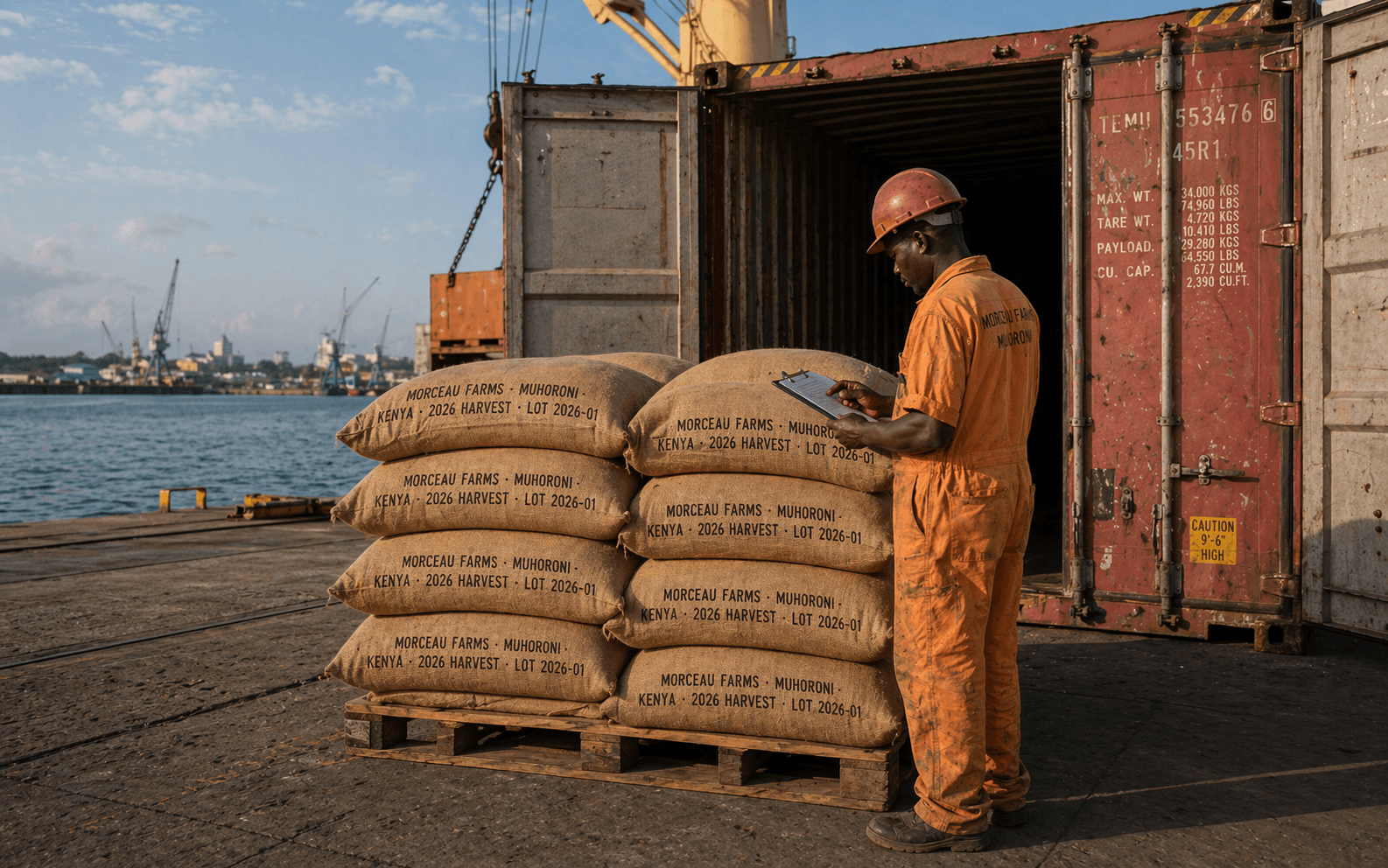
GrainPro-lined jute bags. Mombasa → US East Coast. Lot-specific docs ship with every container.
Volcanic soil. Equatorial warmth. Lake Victoria basin at 1,200m. Biodiverse shade from native Mukau and banana. These are the variables your roast profile gets to work with.
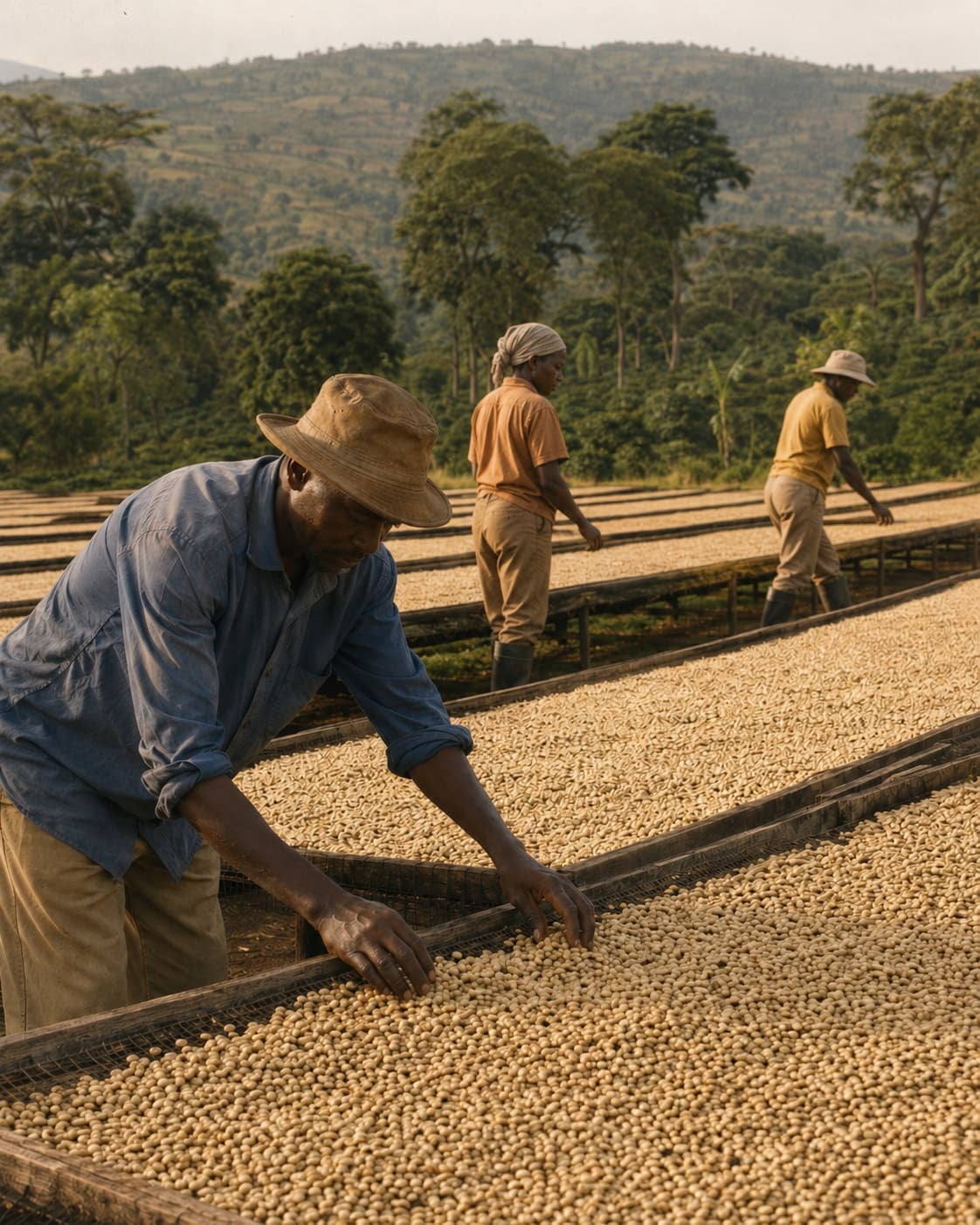
A small crew runs ten acres. Pickers at peak harvest. The mill operator. The drying-bed crew who turn cherries every two hours through twelve-day cycles. They’re on year-round contracts at a living wage. The rest of Kenya’s coffee belt runs on seasonal piecework.
When you buy from Morceau, that’s where the money lands. No broker, no co-op cut, no marketing layer. Put this on your menu and your customers can read the chain from picker to cup.
20+ bags, direct to your loading dock. FOB Mombasa or landed at our Norfolk, VA warehouse. Full chain-of-custody docs. Best unit economics.
5–20 bags from our NC warehouse. You pick the lot, we handle the logistics. Short lead time, no import hassle.
Lock your 2027 harvest now. We set aside named bags from specific micro-lots before they hit the general offer sheet.
Organic is a cheap word. The paperwork is what makes it real. Your QC lead gets cupping scores, processing logs, soil tests, and full chain of custody with every sample we ship.
Two rains, two harvests, twelve months of work. The main crop ships in spring; the lighter fly crop arrives at the end of summer. Plan your roasts to the season, not the catalog.
Three steps to a sample on your cupping table.
Tell us your roastery. We ship 200g of both 2026 lots with cupping sheets.
Soil panels, processing logs, and chain of custody land in your inbox.
Lock bags before the next vessel out of Mombasa.
We’d rather work with ten roasters who know our soil than a hundred who don’t.
Tell us your roastery, your volume, and what you’re looking for. We’ll ship a 200g sample kit with the full 2026 offer sheet and lot-specific traceability docs attached.
Free for active US roasters. We pay shipping. No obligation if the cup doesn’t deliver.
Roasters
roasters@morceaufarms.com
General
hello@morceaufarms.com
Mailing Address
Morceau Farms LLCFarm
0.1542°S · 35.1997°E · Muhoroni, Kenya